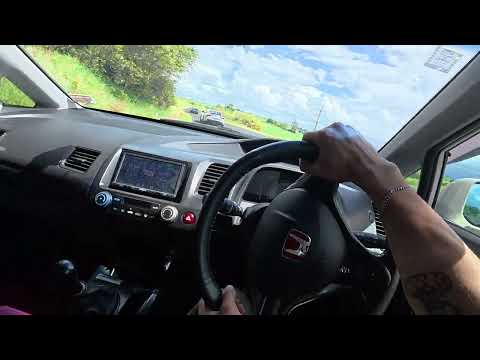
cars are one of my favourite things. especially somewhat old sports cars that are quick and emotional to drive. for example, here is a video of me racing around some twisty new zealand roads with my friends, in cars that we've all built up together over the years:
i have it on good authority..
that manufacturing cars sports today is no longer an emotional endeavour. a lovely labour that is relegated to only a few old wheelhouses, and that too in a very measured and business-savvy manner - think Honda Type R's, Toyota GR's, Porsche 911's, (at risk of being exhaustive) and so on.
you've heard of german engineering, right?
i got to travel to europe last month for a holiday, which i consider a great privilege given the economic loony show we find ourselves in. in europe, besides getting drunk in various pubs and climbing mountains, one of the things i considered a must do was visit stuttgart - specifically to visit the porsche factory for a factory tour.
whether it's a cultural artifact, or something else, a common mind virus that propagates throughout technical circles is germans being hailed for their clinical and precise approach to engineering. this manifests in german cars, especially their sports cars, being considered special. i needed to see the truth for myself.
chat, is this peak?
unfortunately, due to some rubbish about manufacturing secrets and competitive advantage, i was unable to film or photograph the inside of the factory. when i arrived, the tour guide/technician, michael, led me through the various buildings in the facility. gave me some history about porsche, which cars are assembled in which buildings, how employees have an interesting discounted rent-to-buy program, how they manufacture 250 911's per day, and so on. enough old man, take me to the 911's.
eventually we reached the 911 building, which was a not very hidden multi-floor complex. in fact, you can see it from outside:
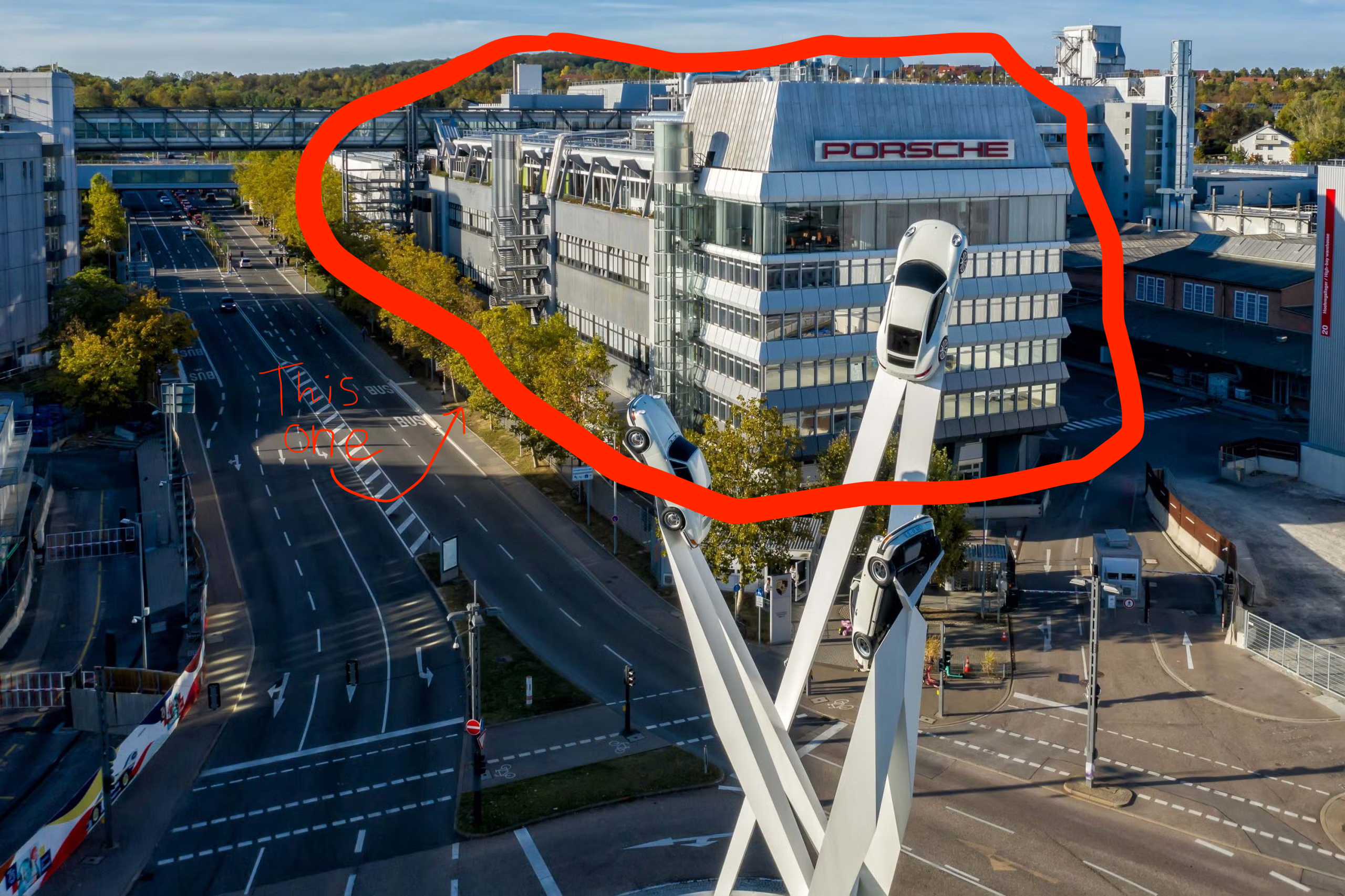
i tried my best to be a respectful boy - don't touch any of the shiny stuff, don't bother the technicians, don't get in the way of the self driving carts moving various components around the facility following painted lines on the ground, and so on. however i am often a curious fellow, so i got to asking questions:
whilst watching bare chassis section of the line
me: "what is the barcode stamped on the rear crash bar?"
guide: "oh that's just a sticker"
me: "ok..."
whilst watching post suspension assembly visual inspection section of the line
me: "i noticed each section has a 5 minute timer on the screen per car, what happens if the section doesn't finish in time?"
guide: "oh the technicians will chase the car into the next section to finish it"
me: "really? that seems risky. how often does that happen?"
guide: "sometimes"
me: "ok..."
something was fishy. i hadn't yet seen the german engineering rear its very precise and symmetrical head yet. we headed over to the sunroof and windscreen installation section of the assembly line.
the sunny indicator
the sunroof assembly process in theory is pretty simple: there is a hole in the roof of the car, and glue surrounding the edge of the glass for the sunroof - line up the placement tabs of the sunroof with the notches in the roof of the car and voila, you've got yourself an installed sunroof. just tighten up those screws in each of the 4 corners and it's done.
wait.. you do know which order to torque the screws down in, right? you do know the criss-cross torque pattern, right?
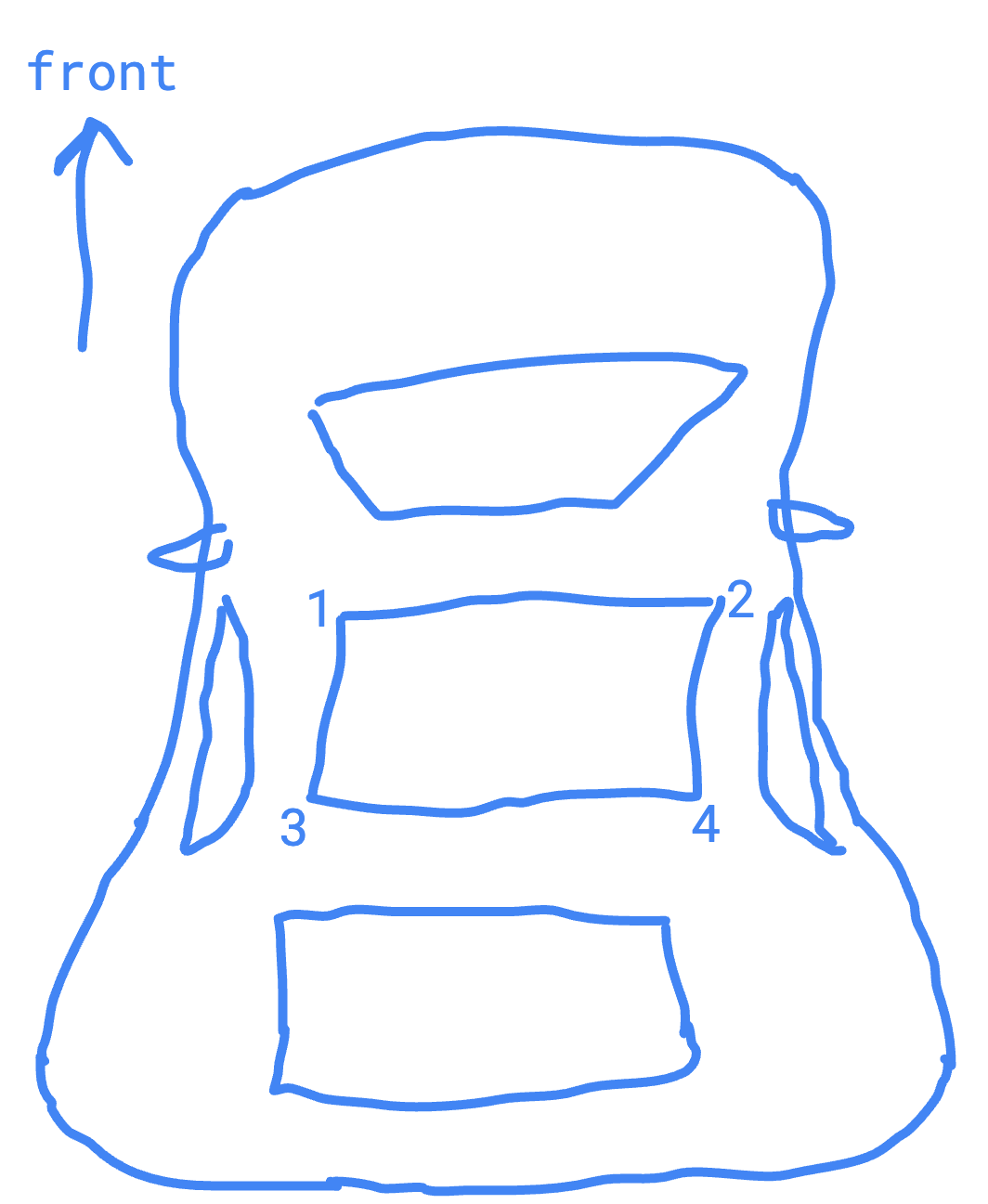
ignoring my crude illustration: the pattern i saw repeatedly was clockwise, starting at whatever number the technician felt like for that particular car. the correct pattern is either 1-4-2-3 or some analogue that goes diagonally then vertically - aka the square criss-cross pattern. the former is a recipe for an improperly sealed surface, causing eventual leaks or other malfunctions in your multiple hundred thousand dollar sports car.
the metal indicator
remember those self driving carts following painted lines on the ground? i was enamoured by their obedience. such gentle and simple machines, designed for the very basic task of transporting some collection of components from section a to section b. my besotment met a very sudden end when we followed one group of carts to the end of the suspension assembly section to see the wheels and tyres.
i was shocked to see: wheels, transported in a metal container, unprotected, allowing faces to clank hopelessly against not only one another but also the sides of the container - likely resulting in scratches and other damage. how on earth could this be allowed? to avoid becoming the um ackchyually guy, i avoided pointing this particular thing out to the guide, but it left me bemused and wondering does anybody care?
ferdinand finance
porsche is going through financial trouble. their profit margins, though they exist, are reasonably close friends with the number 0. apparently this is due to issues in rolling out their EV's, and falling demand in china due to the increasingly choice laden domestic chinese market since 2025. unlike the rest of the business though, they state 911's are very profitable as an individual product line and often sold out 1+ year in advance. despite this, its clear to me that recession indicators always find a way to whisper to you, even through the most successful dimensions of a business - as long as you are curious enough to look.